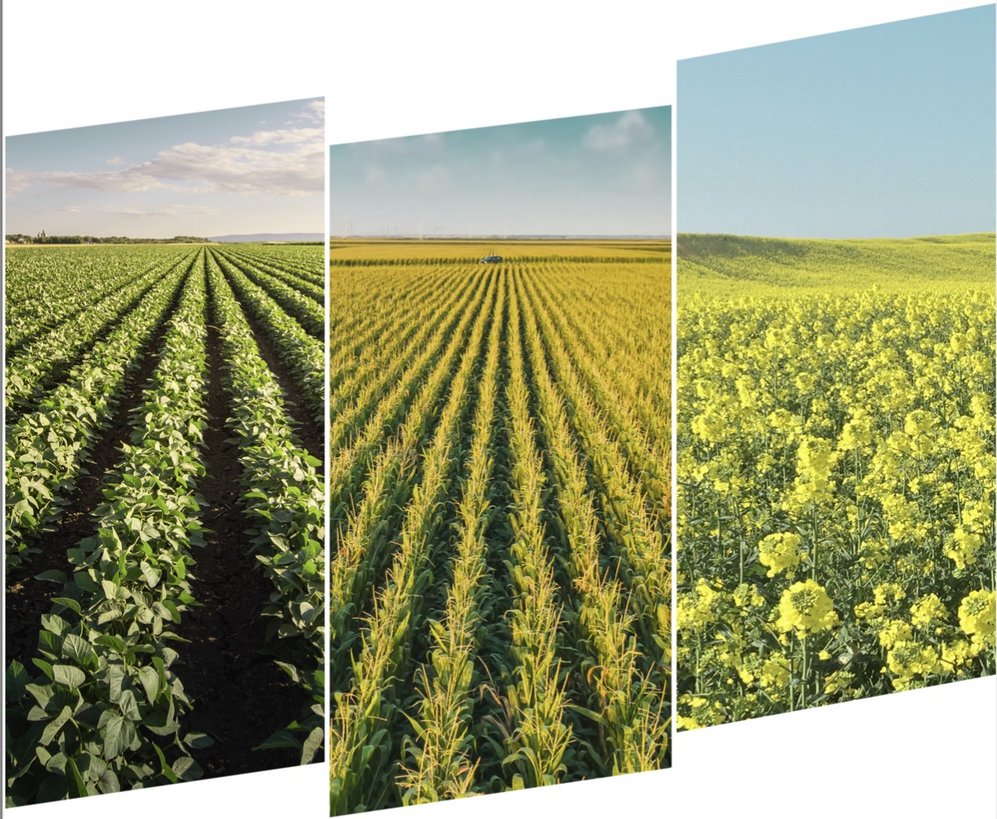
The latest ENGA Non-GMO market report, prepared in close cooperation with Donau Soja and the ProTerra Foundation, shows that current demand can still be met. But there is less spare supply than earlier in the year, particularly for soy, making the market more sensitive to changes in demand or a weaker-than-expected harvest.
Soy supplies become more limited
Europe is now in the period between last year’s soy harvest and the arrival of the new crop. Stocks from the previous European harvest are running down, Ukrainian supplies from last year’s crop are largely exhausted, and less Non-GM soymeal is available from India. Supply still appears sufficient to meet immediate demand, although it is tightening, particularly in Central Europe, and some buyers have returned to the market seeking additional volumes.
This has contributed to higher prices. At the Bologna Exchange, Non-GM soybean prices rose above EUR 450/t by mid-July, around 5–10% higher than three months earlier. In southern Germany, prices exceeded EUR 480/t, while high-protein Non-GM soymeal in northern Germany reached around EUR 530/t.
The EU's own soy production remains entirely Non-GM, with the planted area expected to remain broadly stable at around 1.1 million hectares in 2026. However, EU soy output is currently forecast to decline slightly this year. At the same time, rapeseed, unusually hot weather and low soil moisture in parts of Europe have increased uncertainty over how large that harvest will be.
Brazil remains an important source of Non-GM soy
Brazil continues to play a particularly important role in supplying high-protein Non-GM soymeal and soy protein concentrate (SPC) to Northwest Europe. Brazilian supplies are currently expected to be sufficient to meet European demand. But with fewer alternative supplies available from Europe, Ukraine and India, Brazil becomes even more important if demand increases or the European harvest disappoints. But with only 10% of EU soy imports estimated to be Non-GM, segretated supply from within Europe continues to play a vital role.
Maize: smaller EU area increases dependence on yields
The EU maize area has fallen to its lowest level since records began in 1993 - estimated at 8.18 million hectares in 2026, down 3.3% year-on-year. Despite the smaller area, current forecasts put EU maize production at 59.9 million tonnes, only slightly below last year's level, but hot and dry conditions during flowering could still reduce the final harvest. More than 99% of EU maize production is Non-GM. Non-GM maize prices have also risen, exceeding EUR 240/t on Euronext in mid-July, around 10–15% above their mid-April level.
Rapeseed: new harvest arrives after tight old-crop supply
Rapeseed supplies were also limited ahead of the new harvest, with EU production currently forecast at 19.8 million tonnes. EU rapeseed imports were down 22% year-on-year during the first nine months of the 2025/26 marketing year. After weakening in June, European rapeseed prices subsequently recovered. The November Euronext contract closed at around EUR 538/t on 26 August. Although the planted area increased by 3.6%, expected yields are lower than last year's unusually high levels. Weather has again become an important factor. Late frosts affected crops in parts of Central and Eastern Europe, while exceptional heat and drying soils in late June added further pressure in several major producing countries.
What to watch in the coming months
The main question for the Non-GMO market is now how the European harvest develops. For soy, supplies are already more limited and prices have risen. Brazil should continue to provide an important source of high-protein Non-GM soy products, but a poor European harvest could put additional pressure on availability.
For Non-GMO operators, weather developments and the resulting impact on European yields will therefore be important to watch closely. Current supply remains available, but the combination of tighter stocks, lower imports and greater weather-related uncertainty means the market is entering the 2026 harvest period with less room for disruption.